













How gathera approaches sustainability
Consumerism sits at the heart of climate change. The desire for more goods drives extraction, processing and transport of materials across the world, which leads to pollution, carbon emissions and waste. Our habit of solving problems with products is one of the biggest roadblocks to a sustainable climate.
As an online business, gathera knows it has an impact on the environment. We try to reduce it and keep working toward a more sustainable business. We look at our impact across product, logistics and operations.
Product and procurement

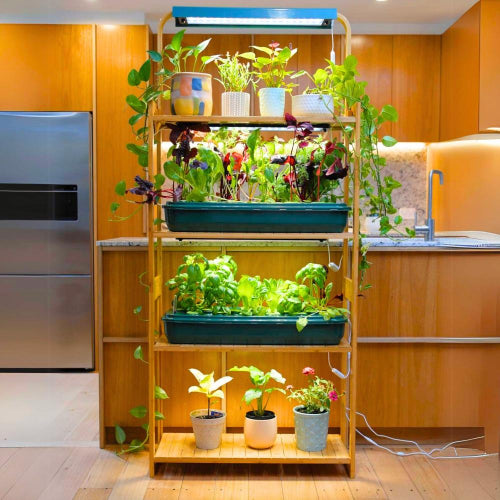
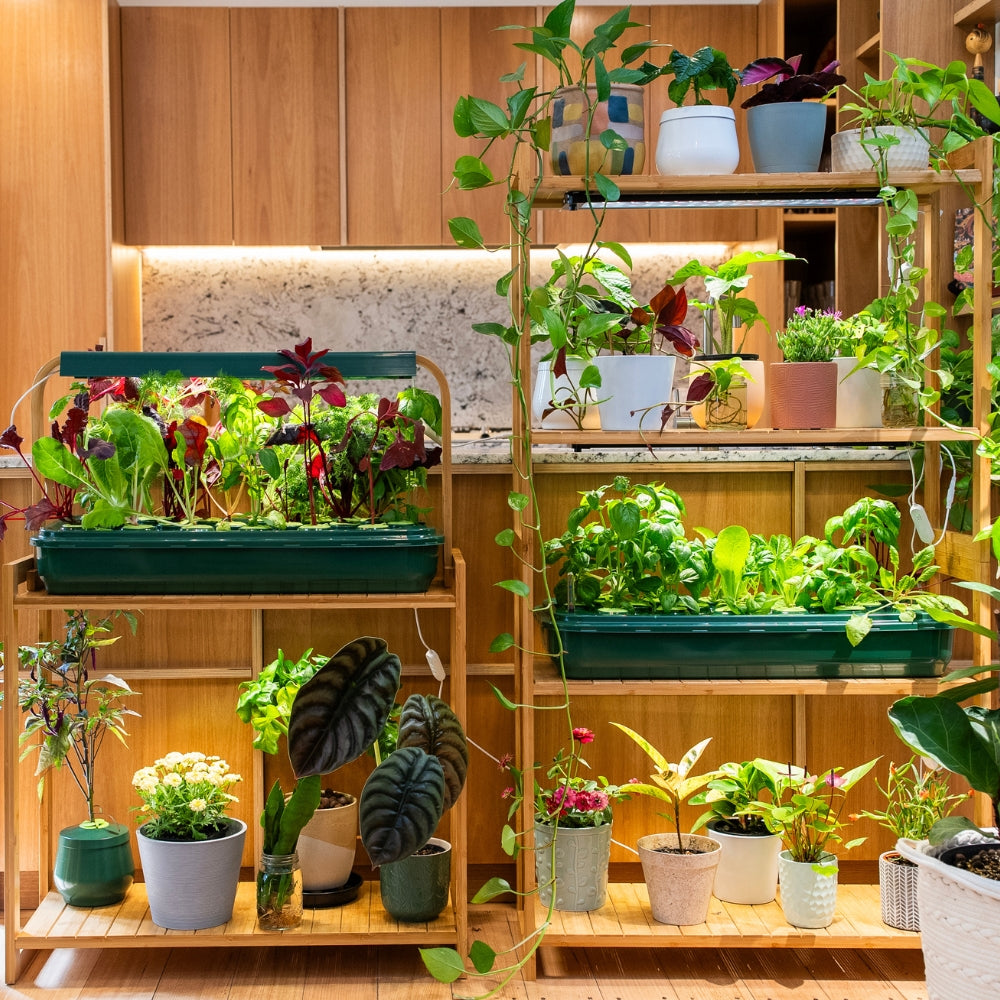
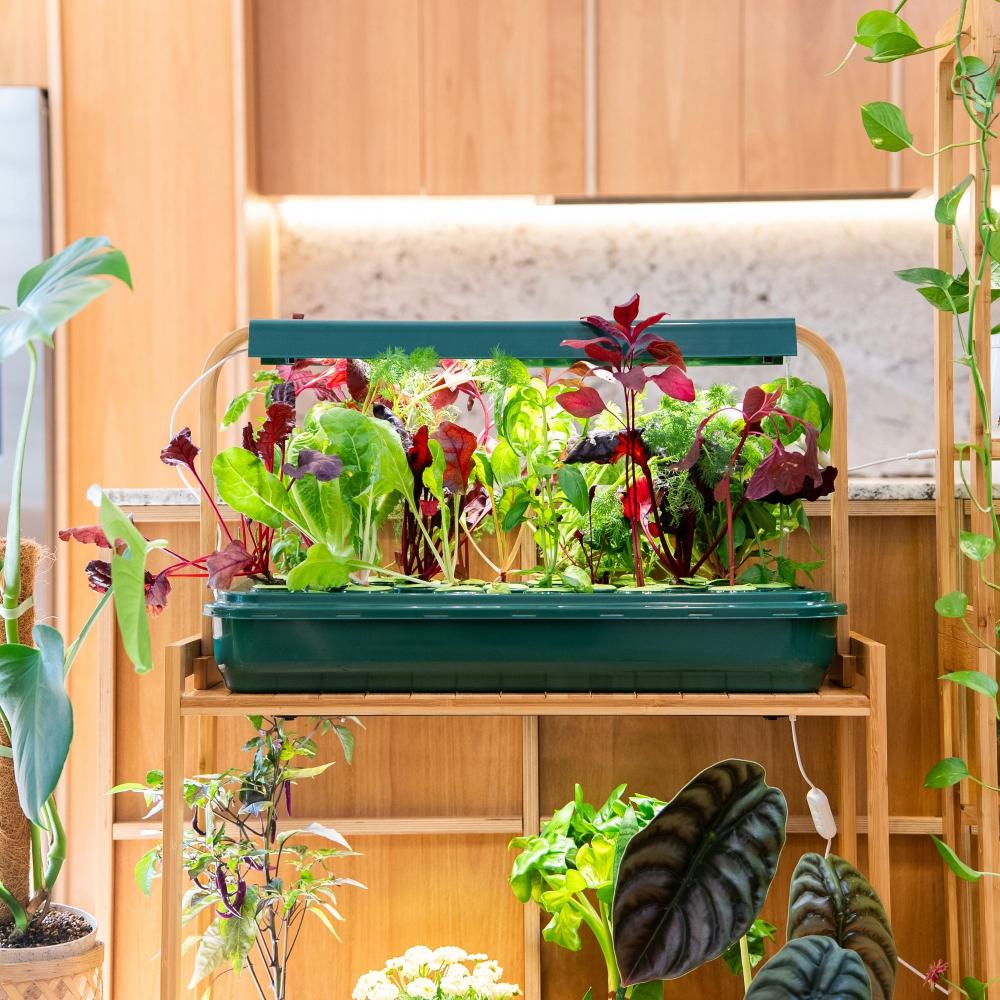
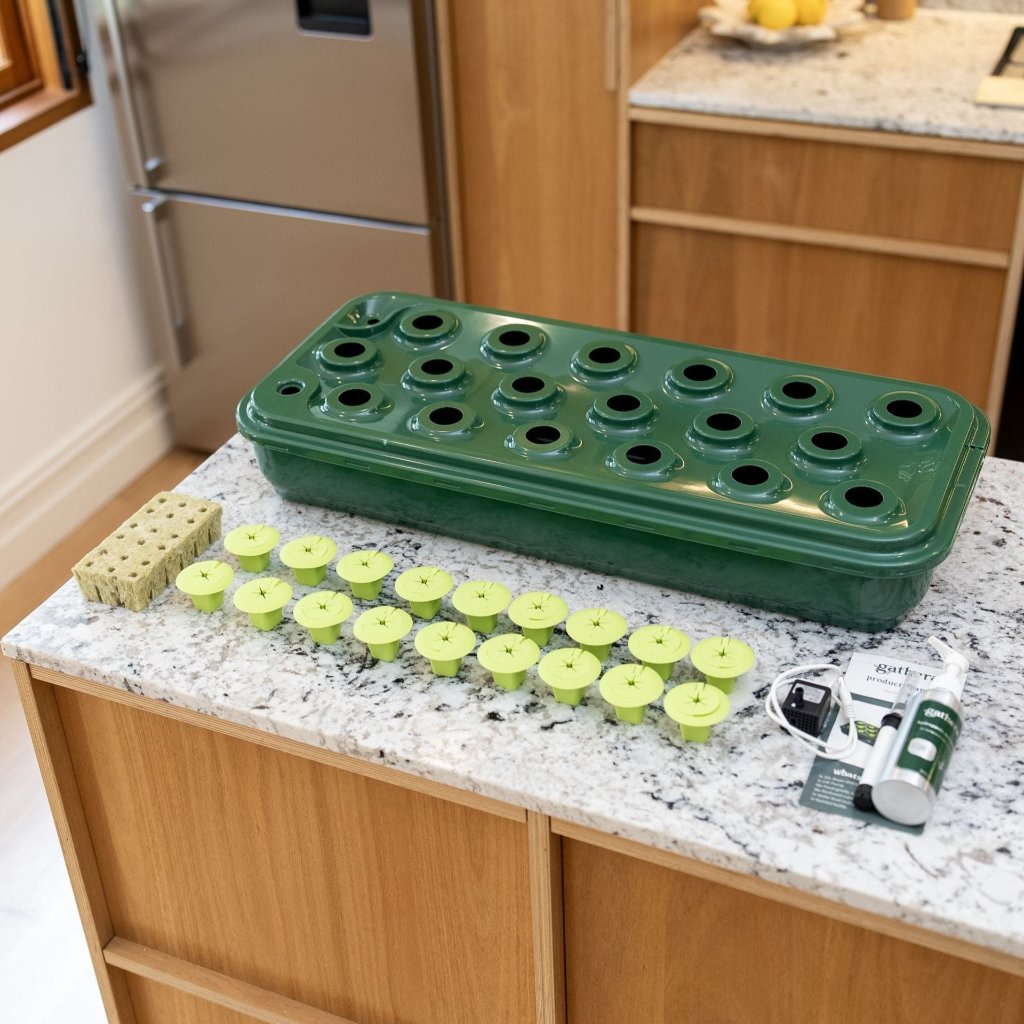
Our products are designed to reduce food waste, single-use plastic and food miles. Hydroponic growing can use far less water and fertiliser than conventional agriculture. That does not make us immune from the impact of manufacturing and freight. Our indoor hydroponic gardens are a way to cut back on store-bought herbs and leafy greens.
Quality assurance
We use a detailed audit checklist to improve product quality every time we manufacture, which leads to low fault rates and fewer wasted products. In the future we aim to improve our end-of-life procedures and take part in the circular economy to a greater extent.
Repair, re-use, recycle
Electrical products can fail or reach the end of their life, and they are often recycled incorrectly or thrown away. gathera tests every faulty product we receive and uses the feedback to improve future models. We can often repair damaged products and use them internally as demonstration units.

Single-use plastics
We have done a lot of work to reduce single-use plastic in our products. Most products contain none. We use cardboard void fill to protect products and brown paper bags to hold small accessories. In our postage, we only include plastic that has been upcycled from supplier parcels that we could not get without plastic. The single-use plastic we do produce is recycled through soft plastic recyclers.

Our plastic products
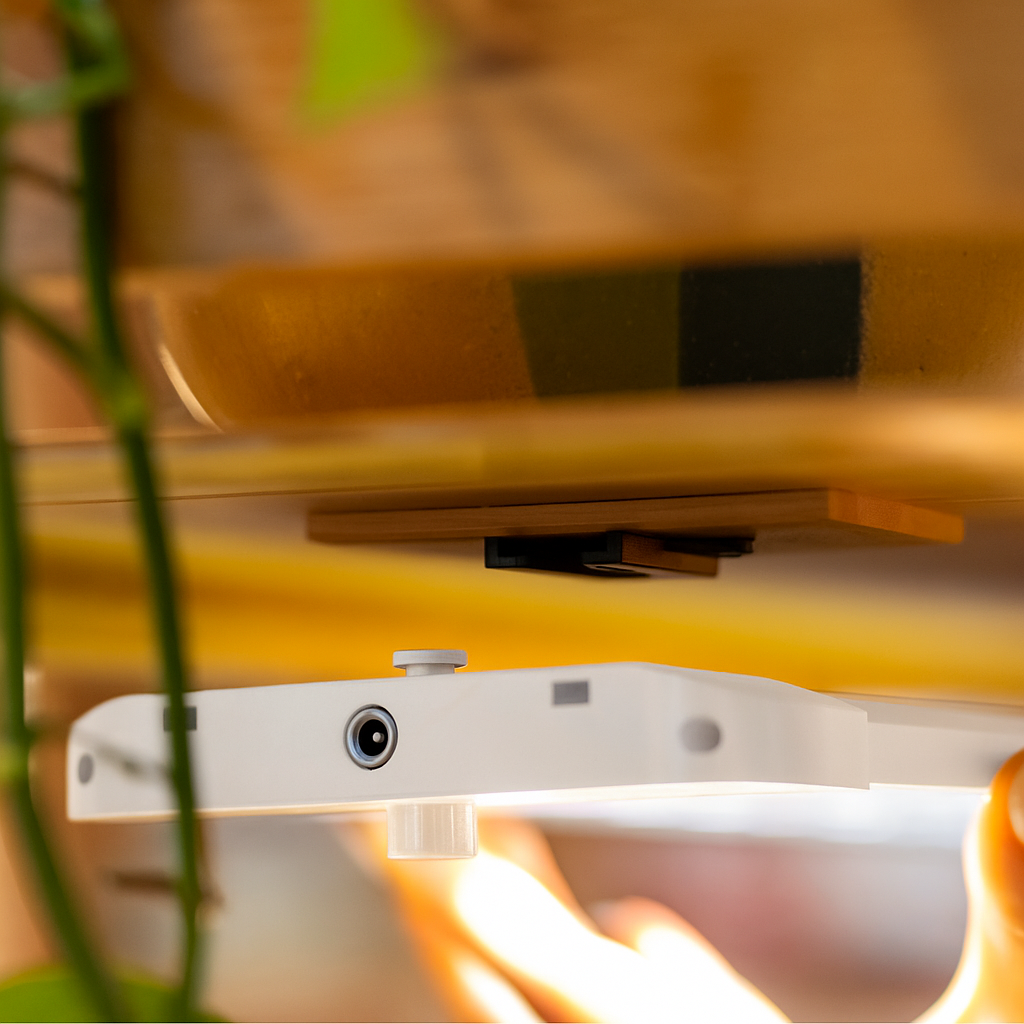
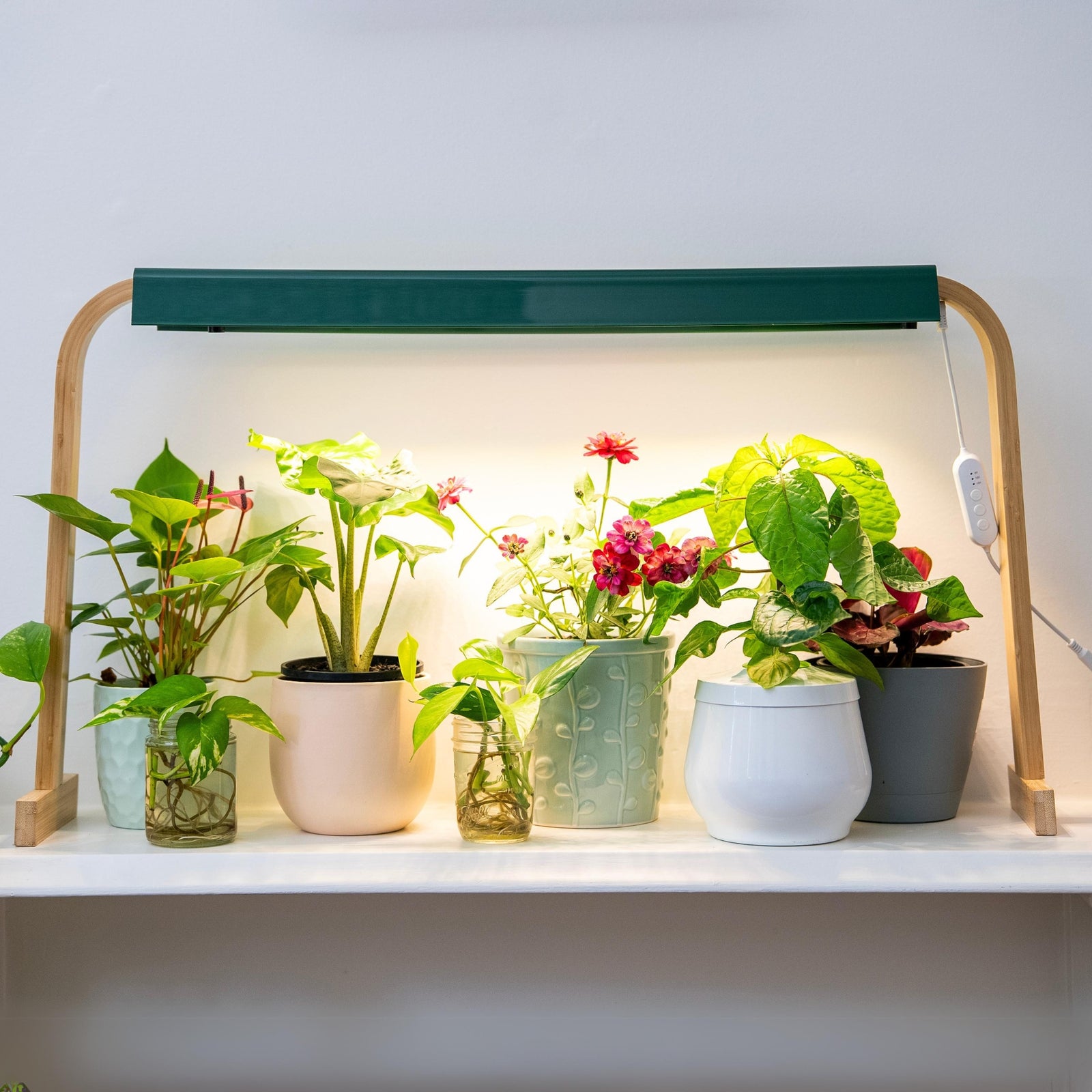
Some of our hydroponic gardens contain plastic. It is meant to be robust so products last, and we want people to use them for as long as possible to get the best value. To help, we share guides on how to use our products to their full potential and we are building a community of DIYers and tinkerers who help each other do interesting things with their kits.
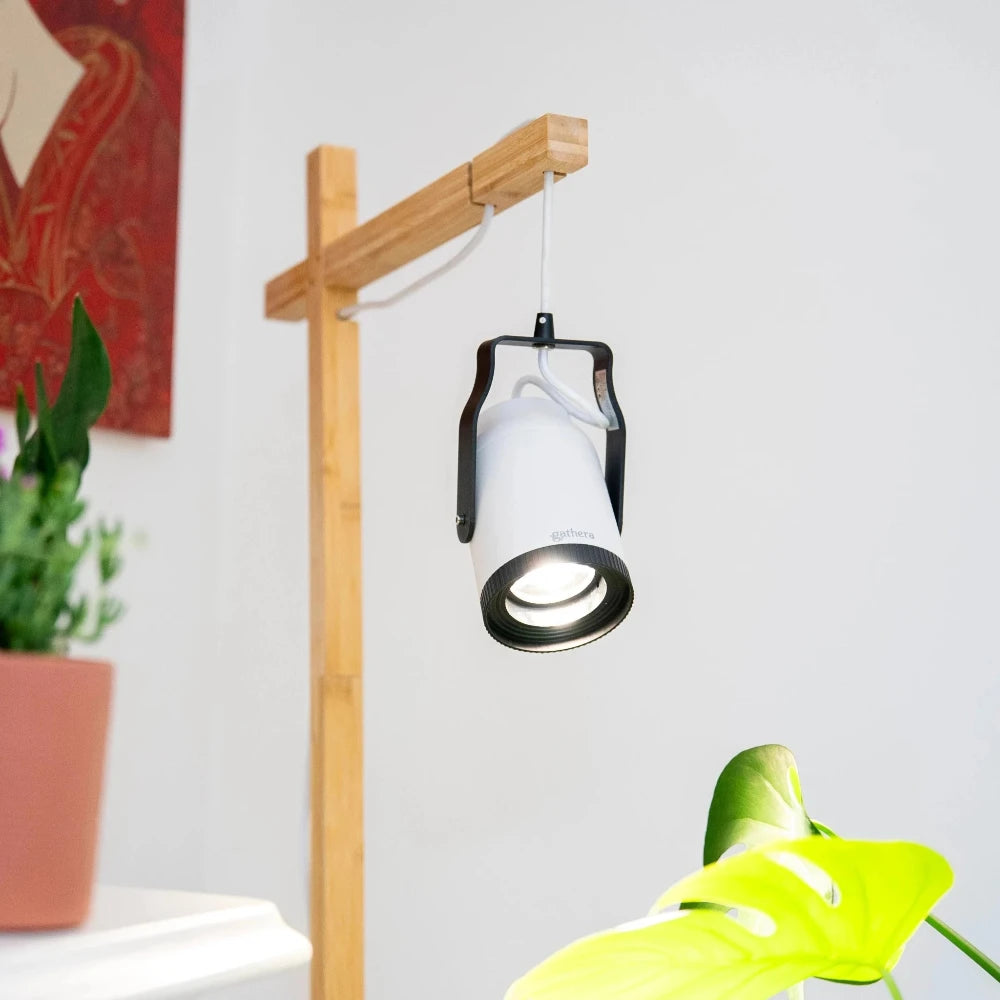
In the future we hope to use more sustainably sourced wood in our products, which locks carbon into them and brings a touch of nature into your home.
Manufacturing and logistics
When we first started the business and received stock wrapped in plastic on pallets, we were disgusted. We moved to shipping products in containers, so we no longer need plastic for pallet wrapping or weather protection. We have also partnered with a local company that upcycles soft plastics into durable furniture for public spaces.
Manufacturing overseas and shipping by sea is currently one of the least damaging ways to move goods internationally. The impact of freight is why we focus on selling quality products that meet customer needs and are built to last.
Our warehouse is in Marrickville, close to most of our customers and to the Port of Sydney, which keeps freight emissions from us to you lower. We offset the emissions from our postage to customers.

Operations
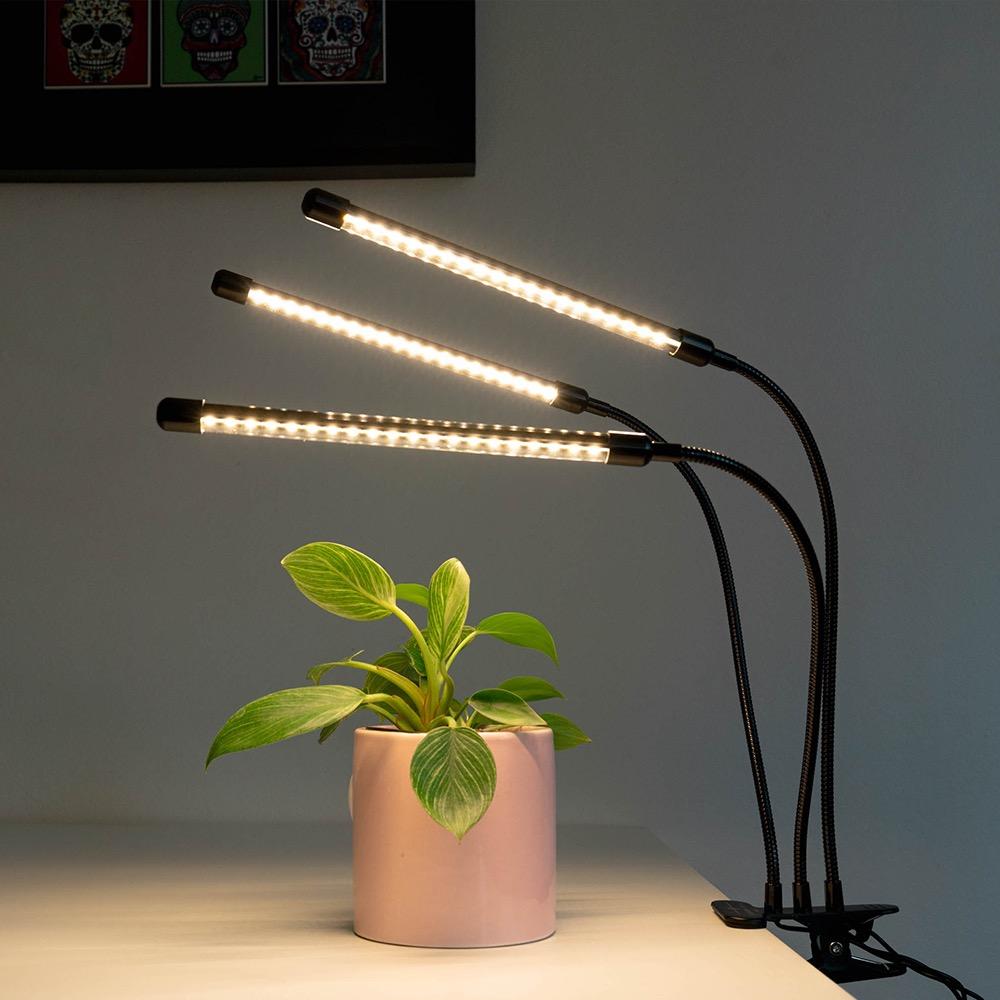
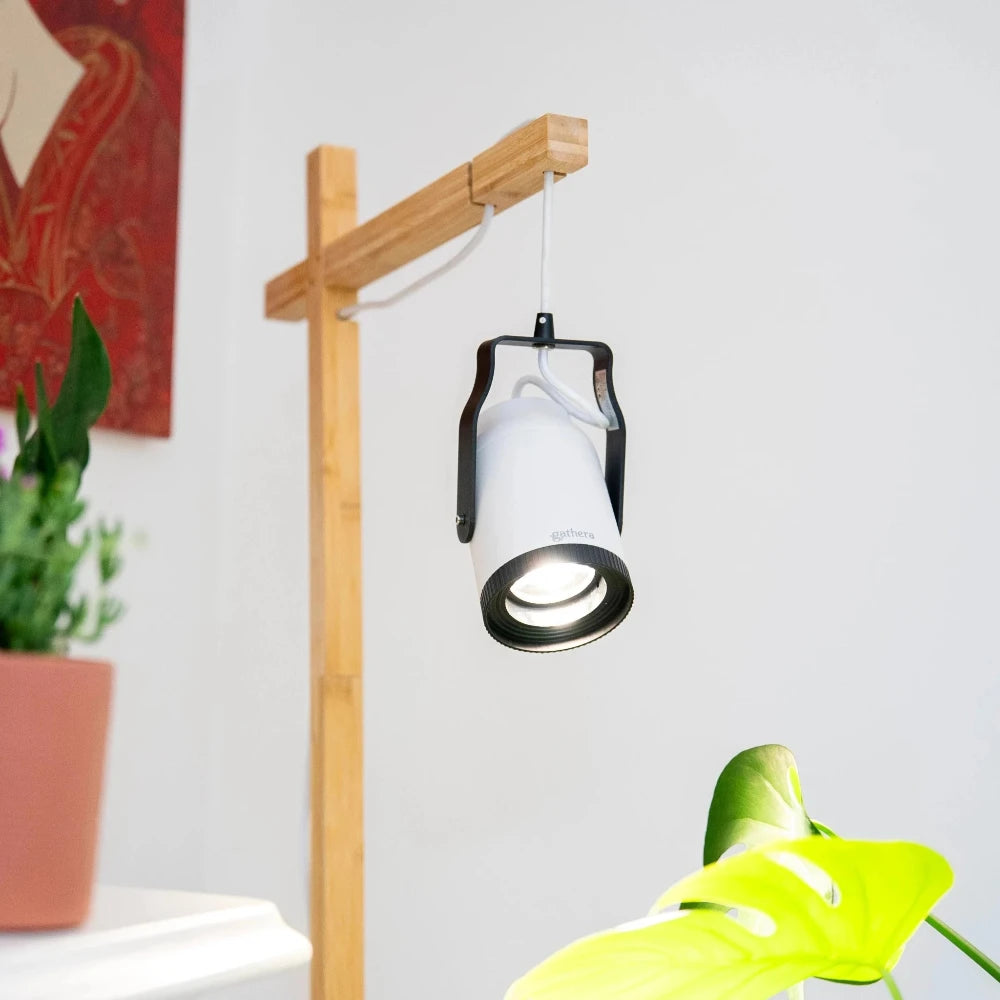
Our main environmental impact from operations comes from running the warehouse, which is small. We use LEDs only when there is not enough natural sunlight, and we have no gas or oil heaters. We have four recycling streams, including one for soft plastics. Our packaging is cardboard, paper or compostable bags.
Upcycling
We give our waste a new life. Our products arrive in cardboard cartons that are too big for us to post, so we crush them into void fill. We also offer cardboard boxes to small businesses, artists and members of the public, which reduces our waste and saves someone else from buying new.
Packaging
The cardboard boxes for our smaller products are made from recycled cardboard and fitted so they need no void fill at all. Our sprouting and microgreen seeds are packed in upcycled paper, a big departure from the seed industry norm. We pack seeds often in small amounts rather than once or twice in huge quantities, so you are more likely to get fresh seeds with better germination than from chain stores.
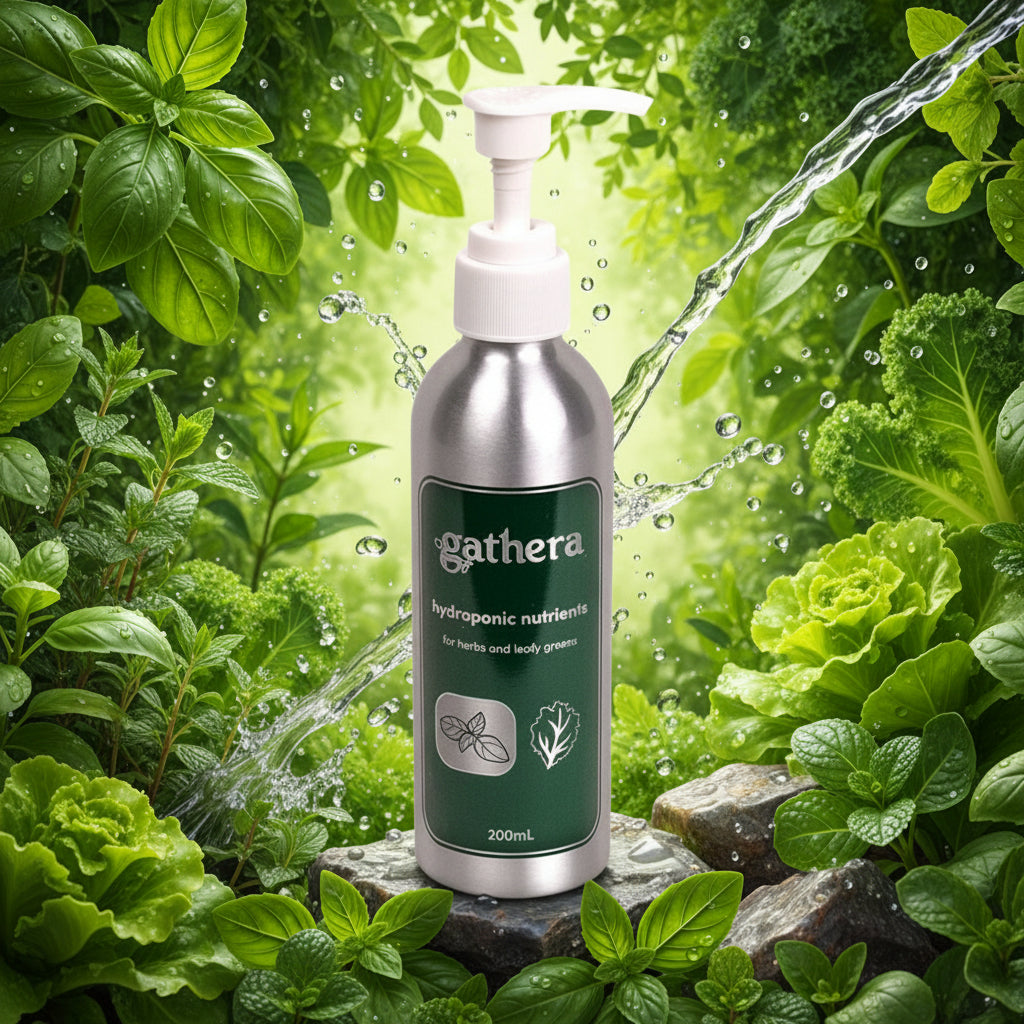
Our liquid nutrients come in glass bottles. We also seal boxes with recyclable cardboard tape, which replaces thousands of metres of plastic tape.


Final words
Sustainability is part of how our team works. Selling physical goods online always involves some compromise, but if you use your product often and learn to do hydroponics well, you can reduce your environmental impact by growing your own food.
Read our founding story.
Leave a comment
Comments will be approved before showing up.