Hydroponic gardening has real benefits: it speeds up growth, reduces maintenance and uses fewer resources. It also has challenges you would not normally meet in soil gardening. One of them is algae, which appears when nutrient-rich water, the right light and natural bacteria come together.
Algae is not usually harmful to your plants, but it is worth knowing how to stop it so your indoor garden stays tidy and your plants grow better.
What is algae?
Algae falls into two main groups. Macroalgae is better known as seaweed, from tiny plants a few millimetres across to giant bladder kelp that can reach 60 metres long. You will not have seaweed in your hydroponic garden.
Microalgae covers over 300,000 species of single-celled organisms that turn nutrients into energy using light. They are microscopic and form dense populations in favourable conditions. That is what you see when your nutrient solution turns green or a green film appears on top of your rockwool cubes.
What conditions does algae grow in?
The recurring theme is that the conditions that suit hydroponic plants also suit algae.
Nutrients. Nitrogen, phosphorus and carbon are the main nutrients microalgae need, and they are the same nutrients in the hydroponic nutrients you feed your plants.
Water temperature. Algae typically grows between 20 and 30°C. Above 30°C algae slows, but your plant roots can be damaged. Below 20°C, some minerals in your nutrients dissolve less well, so plants may miss out.
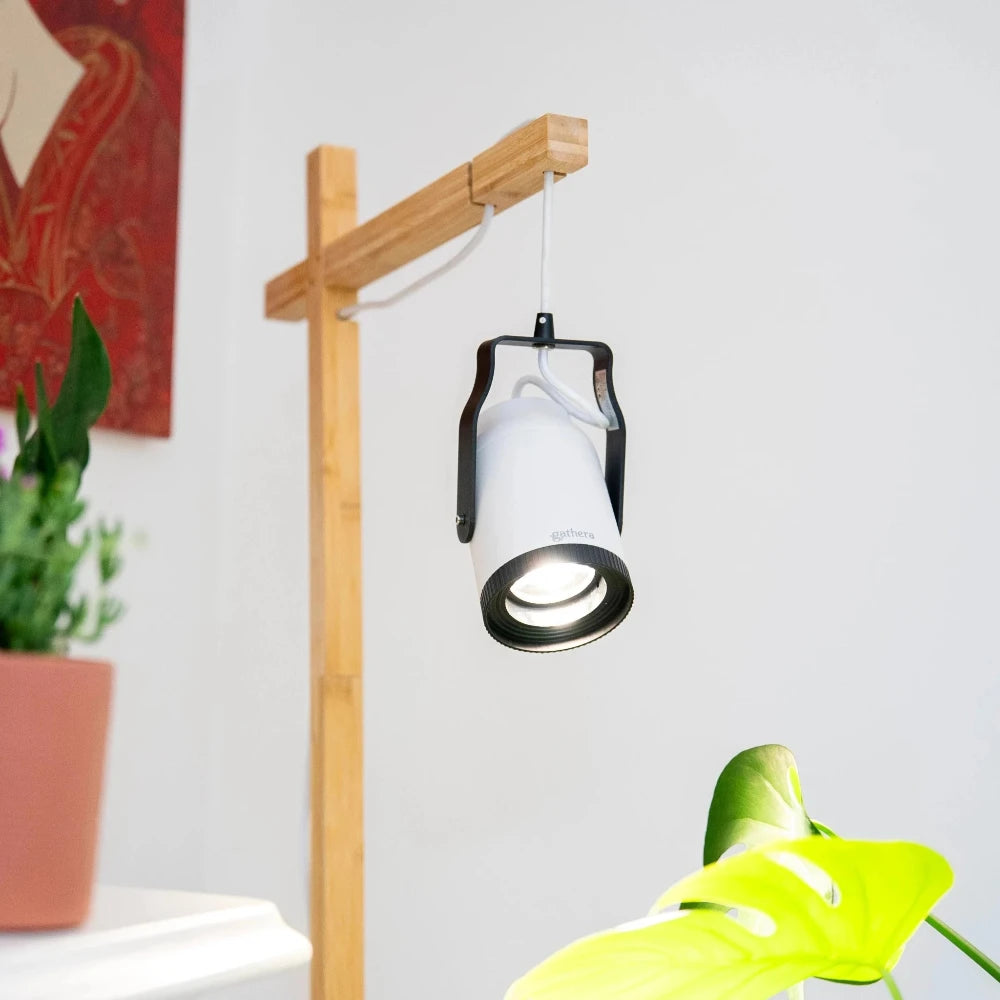
Light. Most studies show about 16 hours of light and 8 hours of darkness suits algae well. That is also the schedule most plants like, and the one we suggest for our grow lights.
Agitation. Pumps mix nutrients and circulate oxygen, which also keeps conditions good for algae.
What are the impacts of algae in hydroponics?
Algae is not the end of the world for your plants. In most cases you can ignore it and keep growing healthy greens, but there are some downsides you can avoid:
It can block oxygen. Algae around a rockwool cube can stop it working normally, and in deep water culture systems algae in the nutrient solution can use up oxygen, which may lead to root rot.
It can create a slimy surface. A gel-like layer on top of rockwool or other mediums stays moist and can rot a plant's stem in rare cases.
It looks untidy. This matters when your garden is in the kitchen.
It uses up nutrients. Algae consumes nitrogen, which plants need for healthy foliage and stems.
It can shorten the life of your pump by clogging moving parts, and means more cleaning between crops.
How can you remove algae?
Once algae is established it needs a little manual work. Empty the water from your basin and wash the system in a sink with soap and water, as you would with plates. Our gardens have large internal curves and as few tight corners as possible, so they are easy to clean. After cleaning you can wipe the basin down with a diluted hydrogen peroxide solution of around 3%. Repeat the process with your net cups.
Larger systems can use a mechanical filter with a built-in pump. Aquaponic systems can use algae eaters, but that is not practical in hydroponics.
Algae on top of your rockwool cubes while plants are growing
Fill a spray bottle with water and a little vinegar. Hold the tip close to the cube and spray so the water physically dislodges the algae.
How to prevent algae in hydroponics
Each method targets the conditions algae needs.
Use opaque containers
In every hydroponic system, whether NFT, deep water culture or Kratky, use opaque containers that do not let light into the nutrient solution. Check pipes and connections too, as people often forget these in DIY NFT builds.
Cover the top of your growing medium
The top of a rockwool cube pulls up water by capillary action, which leaves it wet and exposed to light. Using minimal nutrients while seedlings are small reduces the problem, but it is a stopgap and can slow growth. A better solution is to block light from reaching the top of the cube. Customers use aluminium foil and even 3D printed covers. Your plants still get full nutrition and the algae does not grow.
Use a net cup with an algae guard
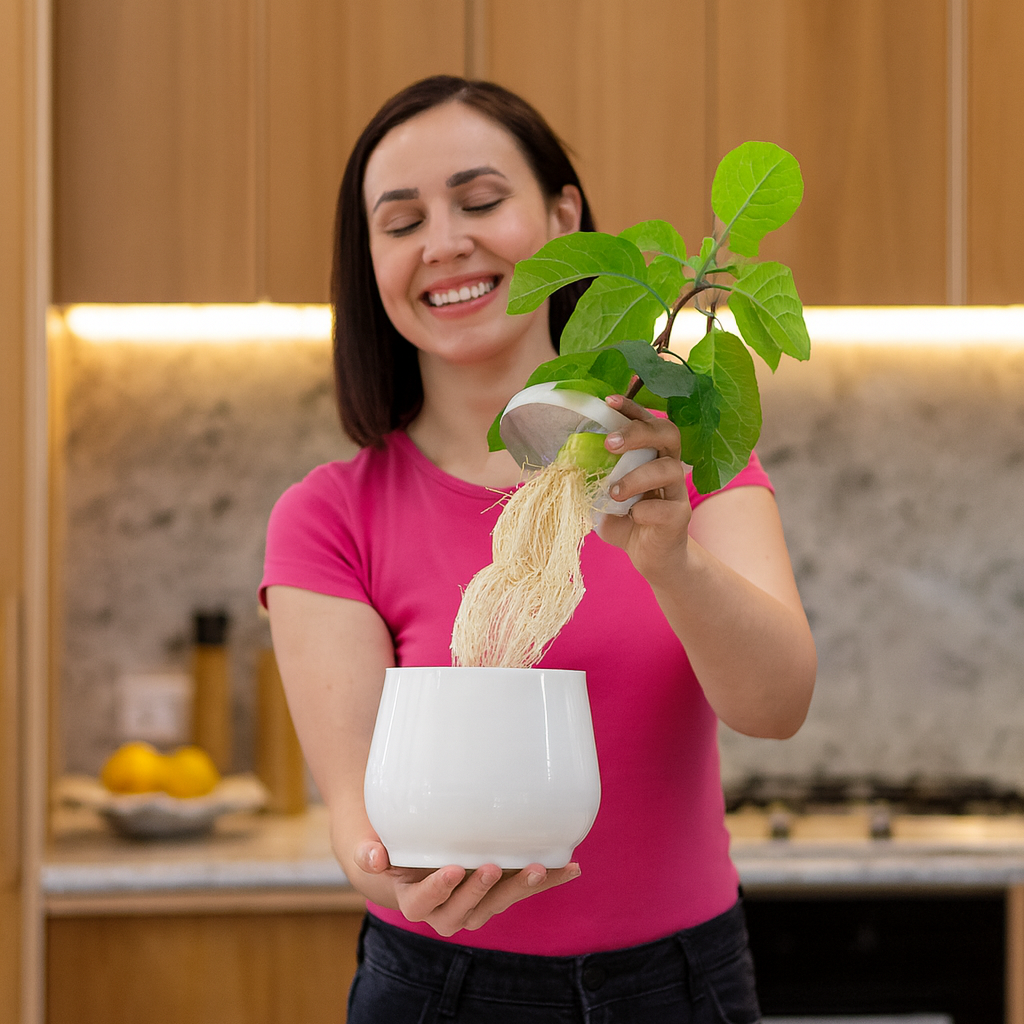
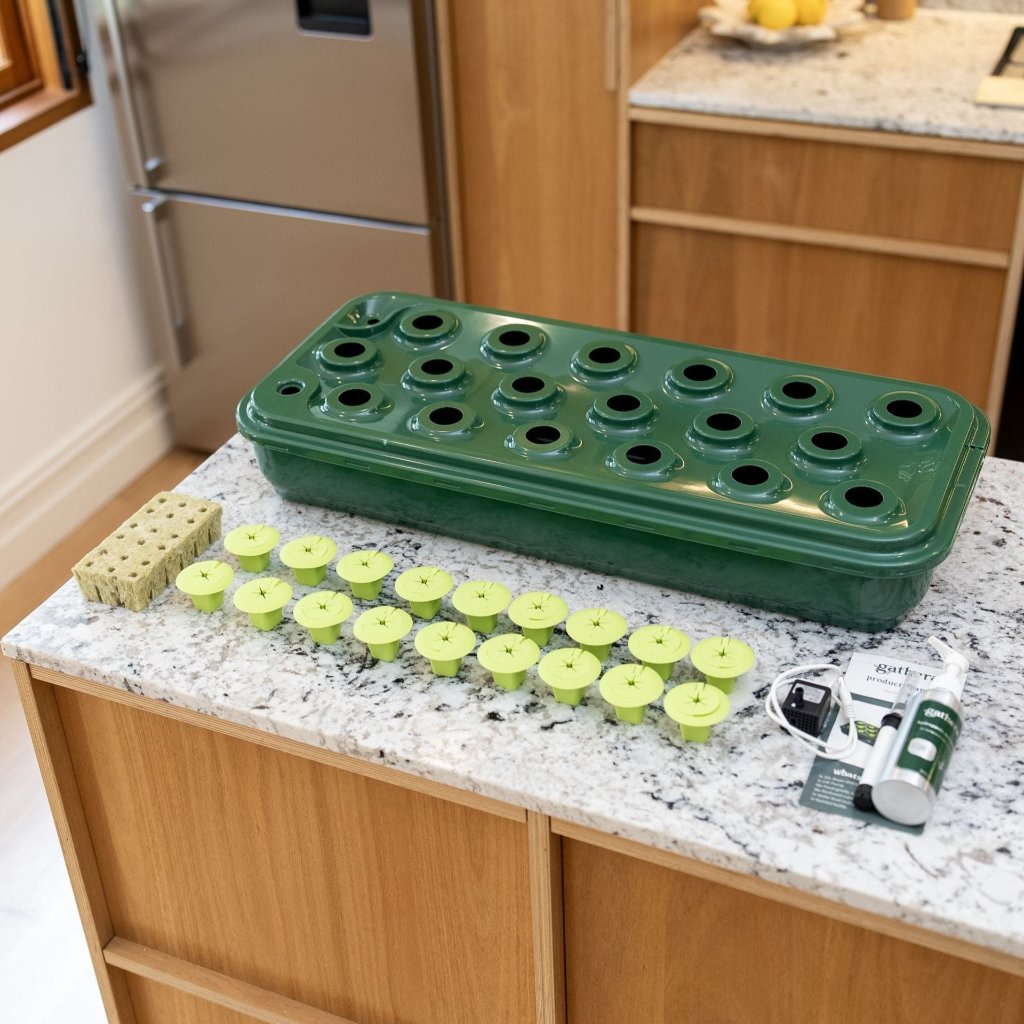
We designed a net cup with an integrated algae guard that shades the top of the growing medium. Combined with opaque containers, it keeps algae in check without changing how you feed your plants.
Choose nutrients with an algaecide
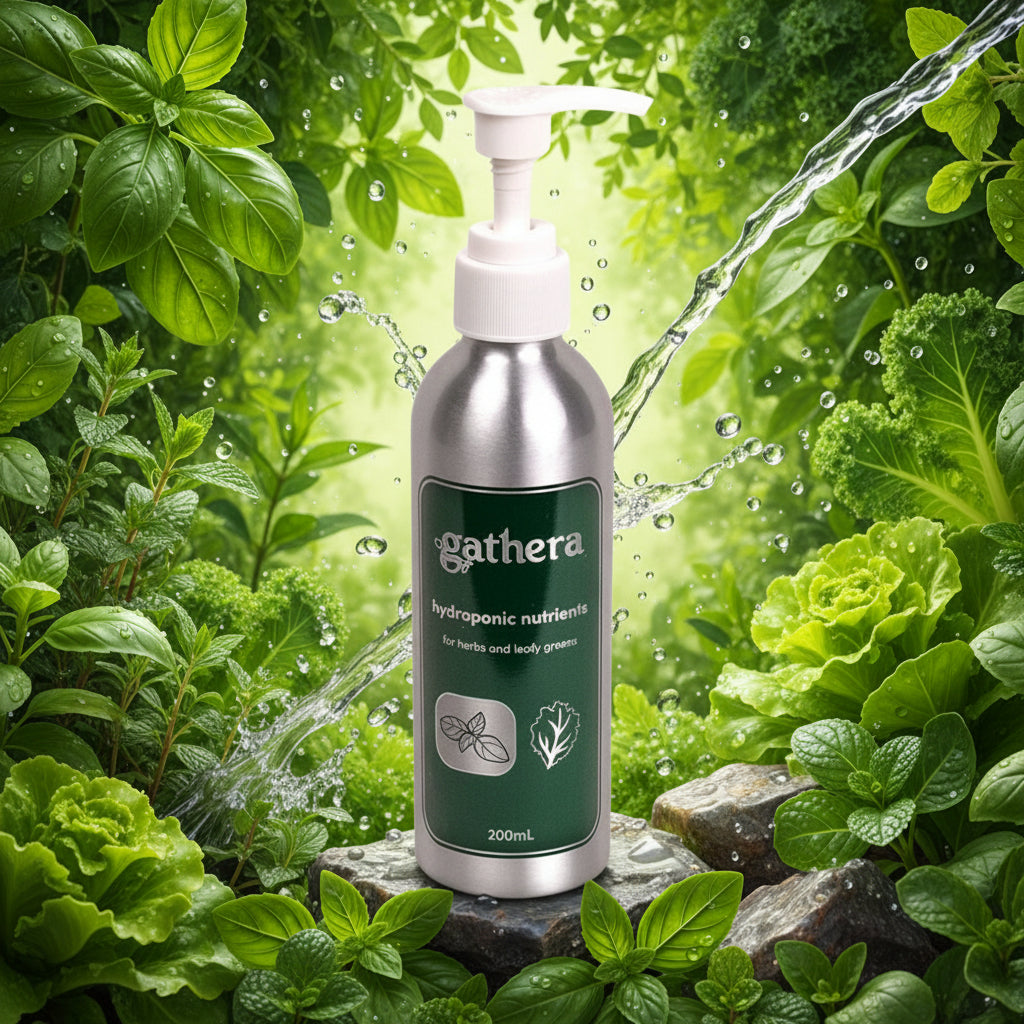
Some hydroponic nutrients contain an algaecide, which stops algae from establishing in the first place.
How gathera tackles algae
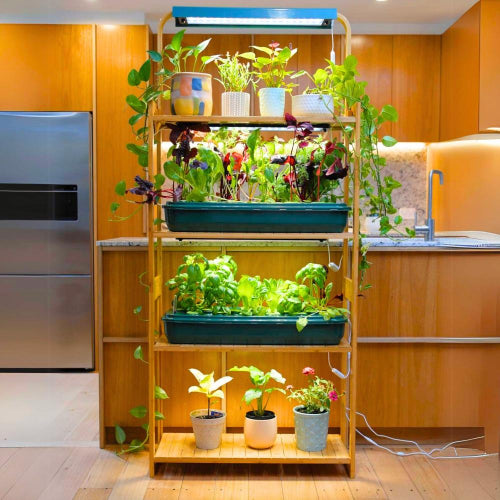
We have designed and sold hydroponic gardens since 2018 and wanted to stop algae getting in the way of growing plants. Our designs use opaque containers and limit gaps that let light into the basin, and the algae guard net cup adds another layer of protection.
In conclusion
Algae can be untidy and takes some nutrients from your plants, but it is usually not damaging. With a few small changes you can stop it forming, and clean it up quickly if it returns. Explore our hydroponic gardens.